
ARCHITECTURE ● Thinking beyond sustainable: group8asia
Design is… everywhere.
Everything that humans make is designed by somebody. To put it simply: design is the way we decide how we want things to be. But conception is a selfish question of what we want as a designer – we have to keep in mind that design is also there to create better spaces or better things for better living.
Design is not only an aesthetic process or not wholly an analytical and functional action. From conception to realisation, design experience focuses on humans and their quality of life.
Design is also the point where creativity and innovation meet. Design makes concepts and ideas tangible, useful and striking. But most of the time our ideas face some extra constrains. As a designer, we want our design built, to not only exist as a utopic idea, and of course we need to answer to some of our client’s requirements. For that reason, we also have to take a few down-to-earth considerations like the production cost and the general feasibility of our project. If the idea doesn’t pass the test, we have to go back to our drawing board and think again.
What inspires your designs?
The design process is a very complex scheme. Design is everywhere and our inspirations come from the world around us. As designers, we have to take into consideration that each design is an answer to a specific problem. There is no universal solution because constrains change from one project to the next.
Usually the inspiration comes when the problem for which one is to design a solution is well defined and understood. In fact, the act of design is simply a way to solve a problem. Once we have that distinct definition, it is easier to find a strong concept to make something new, unique and challenging.
In essence, we don’t believe in the “tabula rasa” philosophy. Our inspiration has to come from the direct environment or immediate context of the project. This proximity of senses creates a complete, respectful and coherent sensibility to the design. It’s very interesting to see how constrains inspire and force a designer to stay extremely creative day after day. They become a very useful tool, an unexpected strategy to building a project.
What was the last truly revolutionary innovation in the world of design?
People today expect that our buildings deliver more than just simple shelter. In fact, society hopes that new constructions will protect the environment, please the senses and serve all the needs of a community. To conceive those new types of buildings and make them possible, we need to integrate new technologies in our design process. Those new considerations generate a lot of new data that we have to work with.
In architecture, the utilisation of all the new numeric design tools has become limitless and the architectural expression has developed correspondingly.
Today with all the new technology, our capacity and efficiency to measure and capture data will not stop increasing. The “Big Data” revolution created a new representation of our cities and changed the way we understand them. Now with software and simple devices, we are able to collect and manage a very impressive collection of different kinds of information.
This new knowledge can inform us about our environment, our habits and our interactions with and in a space. When we analyse this data, we are able to find corresponding points and transform them directly into a complete coherent architectural answer.
What are your favourite working conditions & materials?
A designer has to be very versatile in terms of working conditions. But the good thing is that we always work in interdisciplinary teams composed of people from many fields. As a result, our work is always a good occasion to learn something new and share knowledge.
Material is one of the most important pieces of design. For us, material is the key to contextualise and realise a project. In other words, the material used by the designer has to be linked with some cultural, or regional aspect to highlight the sensory qualities, the uniqueness of the project, and answer to the ambition of the project. Most of the time the project itself leads us toward a material and not vice versa.
What should good design be?
Good design is not only a question of aesthetic, but one of performance and innovation.
A good design must be aesthetically pleasing, while aware that it has to be functional and intuitive, complex but simple to use. In our contemporary society a good design has to be sustainable in the sense that concept and material must be timeless and not just answer to a trendy demand.
As we said before, everything is a question of the problem at hand and how we decide to solve it. It’s always very interesting when a design teaches us something about ourselves, improves our daily life and surprises us both in a subjective and objective way. One thing is certain, a good design is the result of an exciting process that in the end inspires not only the user but the audience as well.
●●
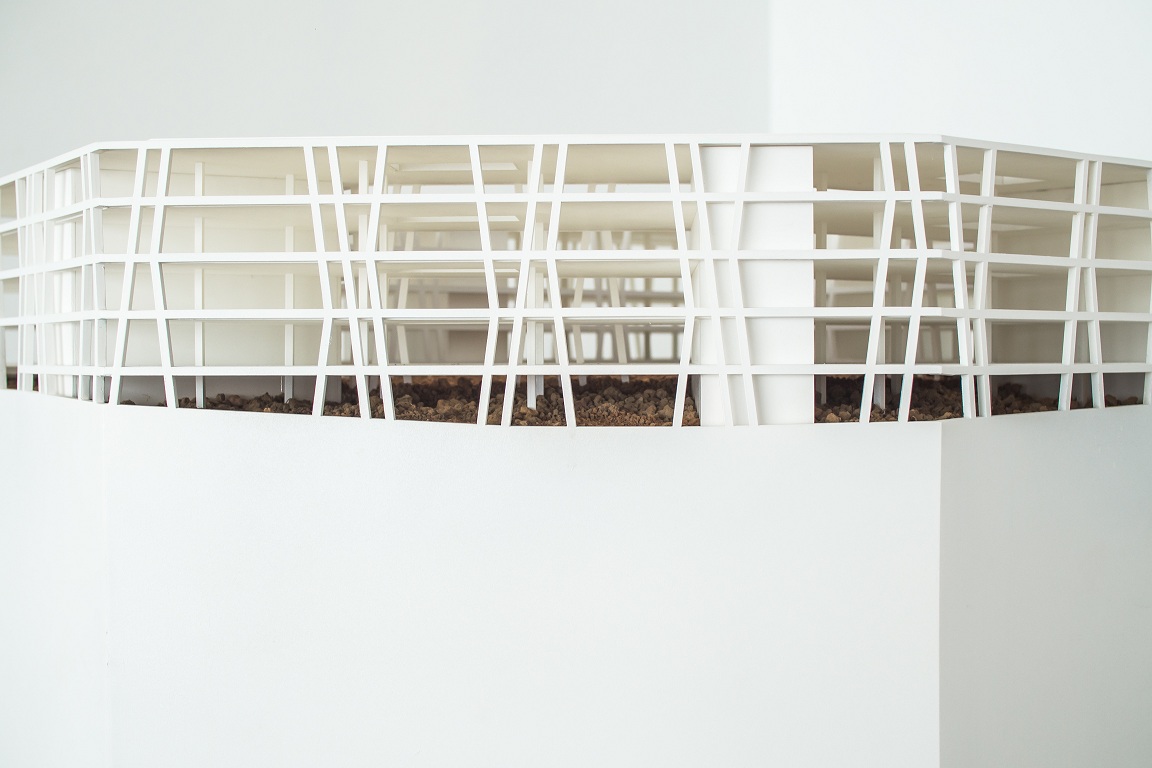
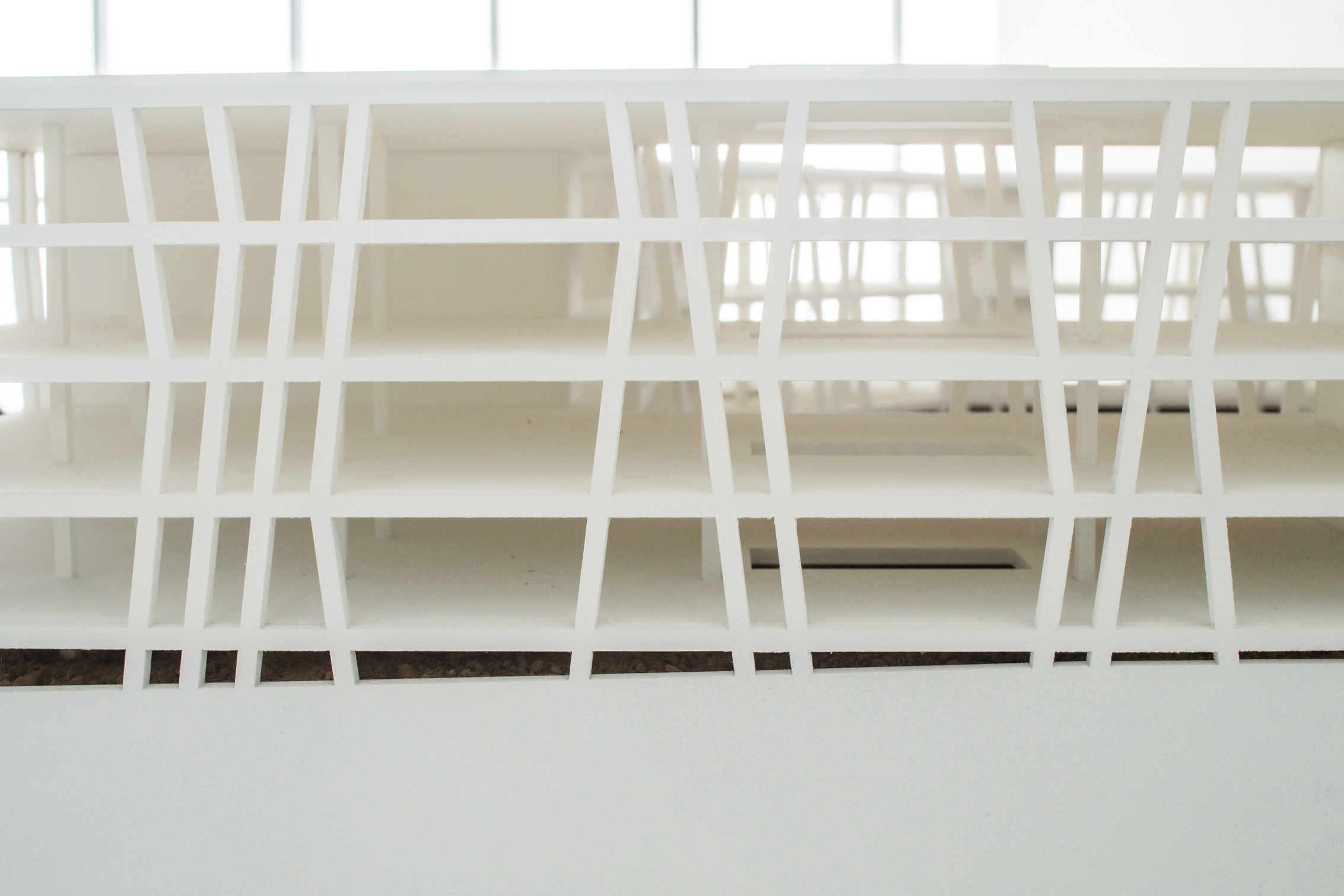
Group8asia is presenting a model of ‘Future Ruin’, a plan for a structure with its own demise already part of the design. Beyond the sustainable lays the question of what remains? How do man made buildings and nature blend back together? These architects have come up with a possible solution with Hòa Lạc in mind as the place for construction. Group 8 was founded in Switzerland in 2000 and opened its Asia branch in Hanoi seven years later.


